Mental Health during COVID-19

Longevity Exercise Physiology Drummoyne,EdgecliffMarrickville,Bella Vista, Randwick, Lindfield and Balmain look at mental health in the current COVID environment.

Why exercise is important now, more than ever….

As of recent times in the middle of a global pandemic, it shouldn’t come as a shock that this time has brought about immense struggle for a lot of people. In particular, the mental health of all Australians, young and old. People have been locked inside, restricted from seeing love ones and being stripped of jobs and their income. Its during these times, when being active is most important.

A study conducted by the Black dog institute highlighted that 78% of the study’s participants reported a significant deterioration in their mental health over this period, whether it be a result of lockdown or anxiety related to infection. This is a hard hitting statistic considering around 45% of Australians experience a mental illness in their lifetime.

However, the Australian government has recently made an emphasis on prioritising mental health by allocating $165.9 million to mental health services for the COVID-19 pandemic response. But we should not just rely on government for funding and change… one of the easiest most cost effective ways to improve your mood and mental health is exercise!

Exercise is considered an evidence-based therapy for individuals suffering from mental health conditions, and has the ability to boost mood and reduce common symptoms of mental illness. With mental illness, comes a high risk of metabolic and cardiovascular disease and we all know that exercise is important to prevent and treat these issues.

All humans experience episodes of poor mental health, sadness, anxiety, stress – whether they are diagnosed with an illness or not. Exercise is most important for these individuals too, improving stress levels, concentration and energy levels.

Benefits of exercise related to mental health:

  • Improved sleep
  • Improved overall mood
  • Increased energy levels
  • Reduced tiredness
  • Reduction in weight
  • Increased productivity

Below are the best types of exercises that are proven to improve mental health:

Aerobic exercise (running, cycling, swimming)

Research suggests that cardio aerobic exercise can be as effective as anti-depressant medication treatment in treating mild cases of depression.

Walking

Walking, whether it be on a treadmill or in the outdoors releases endorphins which result in reduced stress hormones, bettering mood and alleviating depression.

Resistance training

Evidence shows that using weight to strengthen muscles is beneficial for those with depression. Resistance training is also proven to improve an individuals self esteem which may improve overall mental wellbeing.
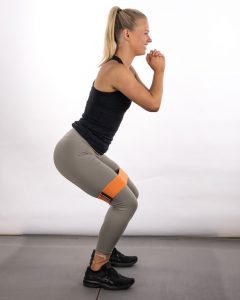
Discuss the benefits of exercise on your physical and mental health with one of our Longevity Exercise Physiologists

1300 964 002


Written By Shannon Coolican

Similar Posts

  • 5 Key Tips To Relieve Lower Back Pain

    Are you experiencing lower back pain or have you at some point in your life? 

    If you’ve answered yes, you are one of the estimated 70-90% of Australians that will suffer from lower back pain at some point in their lives. In other words, lower back pain is a common condition and you’re not alone. 

    It can range from a slight niggle, to constant and even severe pain, resulting in immobility and bad posture. Usually lower back pain isn’t experienced in isolation, it can affect other parts of the body and your mental and emotional wellbeing too.


    For many, it is still a grand mystery to know exactly what steps to take, which practitioners to see and how to exercise effectively to release and even prevent lower back pain. There are many reasons as to why people experience lower back pain and many solutions. Here are 5 of my top tips, effective in relieving lower back pain. Read on for my 5 top tips to prevent lower back pain:

  • The Program and Principles That Helped Me to 6 Sub-60min City2Surfs (and a 1hr 26min Half Marathon in 2016)

    OK. This is a big one! Time for me to share the program and some of the golden rules I live and train by when preparing for a distance running event. I’ve been doing this for a long time now. My first City2Surf was in 1998 (51mins). Over the years I have tweaked this program with new evidence and ideas but it is amazing that the basic principles I apply have changed very little. I used the same principles to prepare for the Sydney Half Marathon this year and with just an 8 week preparation ran 1hr 26mins in my first and only half marathon. The great thing about this program and principles is that regardless of your starting fitness level you can apply them to your training. So, here we go:

  • Exercise Physiology in Pymble!

    Longevity Exercise Physiology Drummoyne, Edgecliff, Marrickville, Castle Hill, Randwick, Pymble, Balmain, Kingsgrove, Neutral Bay, Coburg – Melbourne, and Barrie, Ontario – Canada , would like to highlight our Pymble location, and how our team there can help you be your healthiest!             Longevity Exercise Physiology, Pymble operates out of the North Shore Gym on West street in…

  • What’s your City2Surf? Client Spotlight, Shin

    Embracing Inclusivity: Pursuing Personal Goals Beyond City2Surf In the realm of personal achievements, setting meaningful goals that align with our circumstances and aspirations is crucial. While events like the City2Surf embody community spirit and fitness, they may not always accommodate everyone’s situation. One of our superstar clients, Shin, found participating in the City2Surf unrealistic due…

  • Client Success Story: a fracture fairytale

    It was about 30mins before the start of the NRL Grand Final between the Rabbitohs and the Bulldogs and one of my clients, Matt and I were lucky enough to be able to catch up before kick-off to have a drink. It was a great day and whilst we were both enjoying the day with separate parties it was great to catch up outside of the gym for a change. We went our separate ways before the game and there was no way to foresee how the night would turn out (for the two teams fighting out the Grand Final and for Matt). Unfortunately, Matt suffered a fracture to his foot whilst running for the train after the game. As it turns out, Sam Burgess wasn’t the only person to have a fracture that night and unfortunately there was no “Glory, glory” for Matt. He was about as shattered as the thousands of bulldogs supporters leaving the ground….. and he isn’t a bulldogs supporter. Matt was disappointed when he called me the next day to deliver the news: “It’s fooked” he said, quoting big Sam. We then set about a plan to keep Matt’s fitness up for the next 6 weeks whilst his foot was in a moonboot (see picture).