Exercise Physiology in Randwick

Longevity Exercise Physiology Randwick is located within Anytime Fitness Randwick within Royal Randwick Shopping Centre.

We also offer home visits, outdoor sessions, and telehealth consults.

We work with a wide variety of clients and can provide services through NDIS, DVA, Medicare, WorkCover and Privately (with private health rebates).

Meet our Exercise Physiologist!

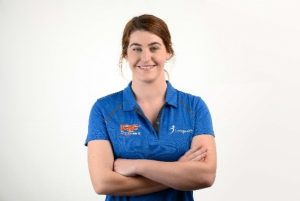
Ashleigh Mead is the Team Leader and Accredited Exercise Physiologist at our Randwick Location. She has experience treating a wide variety of health conditions and injuries. She has clients that range in age from their teen years all the way through to their 90’s! Ashleigh has great community partnerships with other health professionals and looks forward to collaborating with your circle of specialists to get the best health outcomes for you.

“I love helping people on their exercise journey. Whether it’s getting started for the first time or training for an athletic goal – there is always an individualised program that can be created especially for you.” – Ashleigh

Did you know that the following conditions can significantly benefit from a structured exercise routine?

  • Lower back pain
  • Anxiety/Depression
  • Overweight/Obesity
  • Diabetes
  • High Cholesterol
  • High Blood Pressure
  • Osteoarthritis
  • Osteoporosis
  • Dementia

What Type of Exercise program will I do at Longevity Randwick?

A holistic program that will include the following elements, prescribed to meet your individual health needs and at a suitable pace to match your ability and fitness level:

  • Cardiorespiratory (Cardio) Training
  • Resistance Training
  • Flexibility and Mobility Exercises
  • Functional Training
  • Balance Training
  • Rehabilitation Exercises

How about a free 15min Gym Tour? Come and see the gym, walk around and chat to Ashleigh about your exercise options. For more information call 1300 964 002.

Written by Ashleigh Mead
Similar Posts

  • Five tips for weight loss!

    Today Longevity Exercise Physiology Drummoyne, Edgecliff, Marrickville, Bella Vista, Randwick, Pymble and Balmain, and Neutral Bay share 5 tips for weight loss. Start with the end in mind Set a reasonable goal to work towards using SMART goals. Get your family and friends onboard by telling them about your goal. They can share in the excitement and help keep you accountable throughout the process. Crystalise…

  • What we can learn from the Olympics

    Longevity Exercise Physiology Drummoyne, Edgecliff, Marrickville, Bella Vista, Randwick, Pymble, Neutral Bay and Balmain discuss what we can learn from the Olympics. The Olympic games are more than just sports. They portray what can perhaps be called the core and essence of humanity. It represents our struggles, hopes, dreams, and victories. At the Olympics, we see our fellow humans stretched to their limits emotionally,…

  • How to Heal a Soft Tissue Injury

    At Longevity Exercise Physiology Drummoyne, Edgecliff, Marrickville, Bella Vista, Randwick, Lindfield and Balmain we treat many clients who have experienced a soft tissue injury such as a hamstring strain or an ankle sprain. For as long as we can remember the most appropriate and well-known way to manage a soft tissue injury was by following what is known as RICER…

  • Five exercises for Netball players!

    In this blog, the Exercise Physiologists at Longevity – Drummoyne, Edgecliff, Marrickville, Bella Vista, Randwick, Lindfield, Balmain and Neutral Bay highlight 5 key exercises for netball players off the court that will help build strength and power on the court. Single leg RDL (Romanian deadlift) Standing with one leg on the ground, extend your other leg backwards, bending at the hip Keep…

  • Patellofemoral Pain Syndrome (PFPS)

    Longevity Exercise Physiology Drummoyne,Edgecliff, Marrickville,Bella Vista, Randwick, Lindfield and Balmain today discuss patellofemoral pain syndrome and the role of exercise in improving pain. Patellofemoral Pain Syndrome is when pain is felt behind your knee cap (patella) where your femur and patella join and is extremely common. Typical activities that tend to cause pain include stair climbing, squatting, running and jumping. This…