
Exercise and Diabetes: The Simple Solution You’ve Been Looking For?
Are you living with type 1 or type 2 diabetes? Struggling to keep your blood sugars under control or dealing with complications like peripheral neuropathy, retinopathy, or nephropathy? You’re not alone – and there is a way forward. At Longevity, our team of expert Exercise Physiologists is here to support and guide you toward better health. Whether your goal is remission or simply tighter blood sugar control, we’re ready to help you take back the reins.
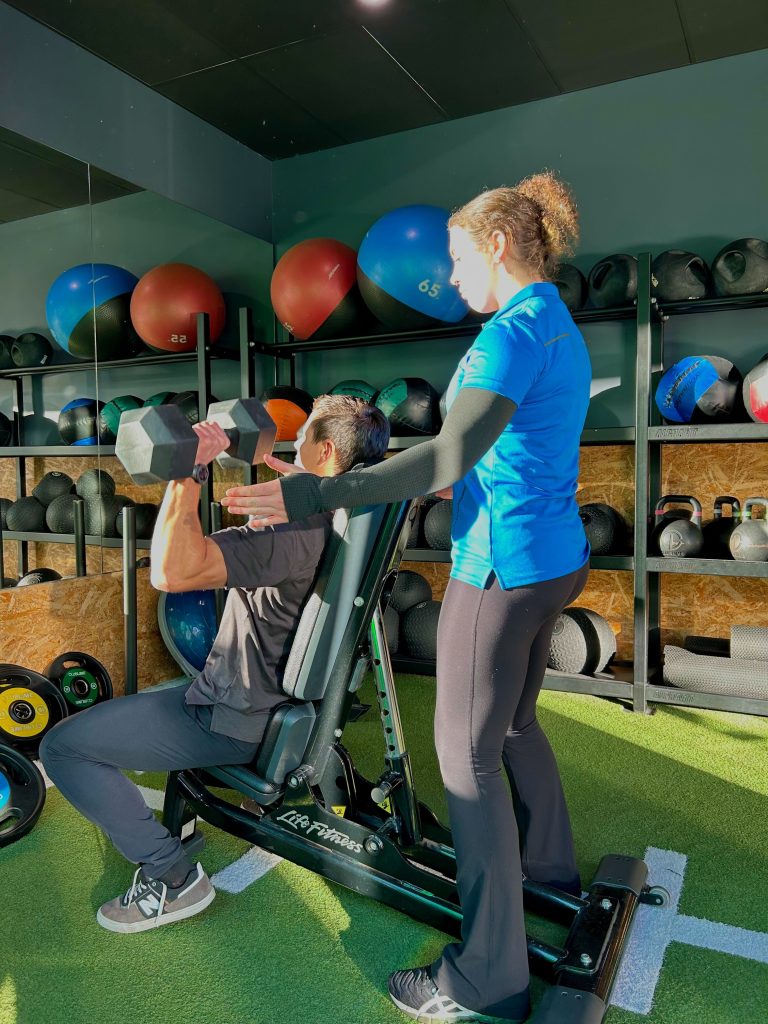
Why Exercise Matters for Diabetes
Exercise is more than a way to stay active – it’s a powerful, proven method for managing, and in some cases, reversing type 2 diabetes.
One of the most effective forms? Resistance training. Research shows that resistance training can reduce blood glucose levels and improve insulin sensitivity for up to 72 hours. This works by increasing your muscle mass, allowing your body to store and use glucose more efficiently through muscle contraction.
Even more compelling, when resistance training is combined with aerobic exercise, it helps reduce body fat, increase your metabolic rate, and address obesity – one of the biggest risk factors for type 2 diabetes.
In short: Exercise isn’t just helpful. It’s essential.
Exercise Can Help Manage Complications Like Peripheral Neuropathy
Worried that diabetes-related complications might hold you back? For those living with peripheral neuropathy, we offer specialised balance-based training designed to:
- Improve stability
- Enhance confidence
- Reduce the risk of falls and injury
This means you can move and train safely – even with complications – so that nothing stands in your way.
A Word of Caution: Monitoring Is Key
Exercise dramatically improves glucose disposal, especially in the peripheral muscles. However, if you’re taking insulin or sulfonylureas, this can lead to hypoglycemia (low blood sugar levels) – which can be dangerous.
That’s why it’s crucial to monitor your blood glucose levels before and after your workouts. Not sure how? No worries – our Exercise Physiologists can test your levels for you and teach you how to track them at home with confidence.
Why It Matters: Exercise Reduces Risk of Major Diseases
Did you know that having diabetes increases your risk of cardiovascular disease by over 31%? It also significantly ups your chances of stroke – two of the leading causes of death in Australia.
But here’s the good news: Regular physical activity doesn’t just help with diabetes. It also:
- Protects your brain from dementia
- Reduces your risk of cancer
- Supports better mental health and wellbeing
The Longevity Difference
At Longevity, we bring over 150 years of combined experience to your health journey. What makes us different?
✅ Long-term focus – We support you today and plan for your future.
✅ Personalised care – Your program is tailored to your unique needs and regularly adjusted.
✅ 60-minute sessions – More time, more care, more results.
✅ Consistent access – Our lifetime booking system guarantees your place each week.
✅ Client-first approach – You’ll always have direct contact with your Exercise Physiologist.
We’re not just about exercise – we’re about lasting lifestyle change.
Ready to Take the First Step?
Whether you’re newly diagnosed or have been managing diabetes for years, exercise could be the simple, effective solution you’ve been looking for. With the right support and a personalised approach, better health is within reach.
Let’s walk this path together – toward better blood sugar control, reduced complications, and a longer, healthier life.
Ready to take the first step toward increasing your fitness and lifespan? Call Longevity Exercise Physiology Ascot Vale, Burwood, Casey, Castle Hill, Coburg, Drummoyne, Edgecliff, Five Dock, Gladesville, Gungahlin, Kingsgrove, Liverpool, Macarthur Campbelltown, Macarthur Tindall, Marrickville, Neutral Bay, Penrith, Pymble, Pyrmont, Randwick, Rhodes, Rosebery, Springfield, Yamanto today on 1300 964 002 to book your personalised session or a 15-minute free phone consultation.
Written by Ryan Newell

References
NDSS – Exercise and Diabetes
PMC – Exercise Physiology & Diabetes
WHO – Diabetes Facts