
Heart Disease and Exercise: How Longevity Exercise Physiology Can Help Protect Your Heart
Concerned about your heart health? Been told you need to start exercising but not sure where to begin?
Heart disease remains one of Australia’s biggest health challenges, claiming one life every 18 minutes and affecting more than 4.5 million Australians. But the evidence is clear: regular, structured exercise is one of the most effective ways to reduce your cardiovascular risk and improve your long-term health.
At Longevity Exercise Physiology, we specialise in personalised, clinically guided exercise programs designed to strengthen your heart, manage your risk factors, and support your longevity.
Understanding Heart Disease and Cardiovascular Disease
Cardiovascular disease (CVD) is an umbrella term for conditions that affect the heart and blood vessels. This includes coronary heart disease, heart failure, stroke, atrial fibrillation, and peripheral arterial disease. Coronary heart disease, the most common form, occurs when the arteries supplying blood to the heart become narrowed or blocked by a buildup of plaque, which can lead to chest pain (angina) or a heart attack.
Common Risk Factors for Heart Disease
- Physical inactivity and prolonged sedentary behaviour
- High blood pressure (hypertension)
- High cholesterol levels
- Being above a healthy weight, particularly excess abdominal fat
- Smoking
- Type 2 diabetes and insulin resistance
- Family history of heart disease
- Excessive alcohol consumption
- Chronic stress, anxiety, and depression
Heart Disease in Australia: The Numbers
According to the Heart Foundation and the Australian Institute of Health and Welfare (AIHW), cardiovascular disease accounts for one in four of all deaths in Australia. An estimated 1.3 million Australian adults are living with one or more heart, stroke, or vascular conditions, and coronary heart disease alone is the leading single cause of death and disease burden in the country. Someone is hospitalised for CVD approximately every minute, equating to over 1,500 hospitalisations per day, at a cost of approximately $5 billion per year in public hospital services alone.
If you’re managing heart disease risk factors or recovering from a cardiac event, keep reading to discover how targeted exercise can make a real difference to your heart health and longevity!
Benefits of Exercise for Heart Disease and Cardiovascular Health
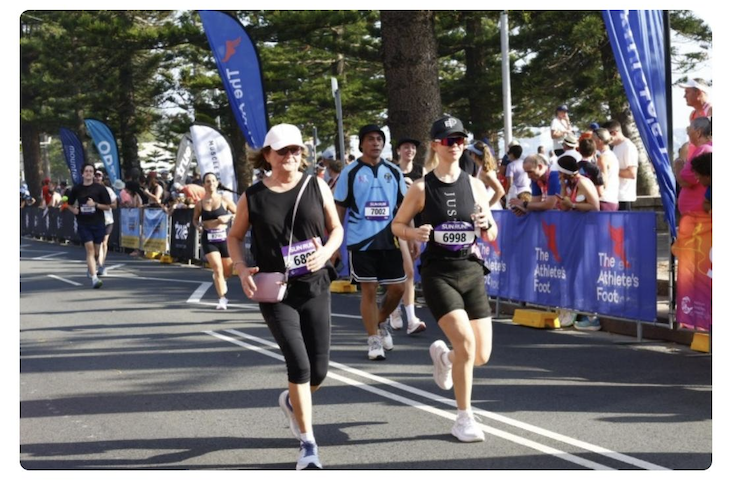
Exercise is one of the most powerful tools available for both the prevention and management of cardiovascular disease. A pooled analysis of over 2 million individuals found that meeting guideline recommended levels of physical activity was associated with a 22% reduction in mortality. For those with existing heart disease, exercise based cardiac rehabilitation has been shown to reduce cardiovascular mortality by 26% and lower the risk of hospital readmission.
Here’s how regular exercise supports your cardiovascular health:
- Lowers blood pressure and resting heart rate
- Improves cholesterol levels by raising HDL (good) cholesterol and reducing triglycerides
- Supports healthy weight management and reduces visceral fat
- Improves blood glucose regulation and insulin sensitivity
- Strengthens the heart muscle, improving its ability to pump blood efficiently
- Enhances vascular function and blood vessel health
- Reduces chronic inflammation and oxidative stress
- Improves mental health, reduces stress, and supports overall quality of life
How Longevity Exercise Physiology Can Help
At Longevity Exercise Physiology, our Accredited Exercise Physiologists are trained to safely prescribe exercise for individuals with cardiovascular disease, including those recovering from heart attacks, cardiac surgery, or managing chronic heart conditions. Every program is tailored to your medical history, current fitness level, and personal goals.
Our cardiovascular exercise programs may include:
- Aerobic conditioning to improve cardiovascular fitness and endurance
- Resistance training to build muscular strength and support metabolic health
- Blood pressure and heart rate monitoring during supervised sessions
- Graduated exercise progression for post cardiac event rehabilitation
- Functional movement training for everyday activities and long term independence
- Education on safe exercise intensity and self monitoring techniques
Flexible session options:
- Gym based 1:1 supervised sessions
- Outdoor exercise sessions
- Home visits
- Telehealth consultations
What sets Longevity apart is our individualised, 1:1 supervised approach. Our exercise physiologists work alongside your GP, cardiologist, and other members of your healthcare team to ensure a coordinated, clinically safe program. We don’t just improve fitness. We help you build a sustainable routine that supports lifelong cardiovascular health.
Longevity Exercise Physiology has helped hundreds of clients across Australia improve their heart health, reduce their cardiovascular risk, and regain confidence in their ability to move and live well.
Additional Tips for Protecting Your Heart Health
- Aim for at least 150 minutes of moderate intensity physical activity per week, including 2 to 3 resistance training sessions
- Eat a heart healthy diet rich in vegetables, fruits, whole grains, lean protein, and healthy fats
- Monitor your blood pressure and cholesterol levels regularly through your GP
- Quit smoking and limit alcohol intake
- Maintain a healthy weight, particularly around the waist
- Manage stress through regular physical activity, mindfulness, and adequate sleep
- Take prescribed medications consistently and attend regular cardiac check ups
Getting Started with Longevity Exercise Physiology
The goal isn’t just managing Heart Disease; it’s improving how you feel, move, and function day to day.
And that starts with understanding your body and having the right plan in place to support your heart, not work against it.
Claim your FREE 15 minute phone consultation:
Call us at Longevity Exercise Physiology Ascot Vale, Aspley, Broadbeach, Casey, Castle Hill, Coburg, Deagon, Drummoyne, Edgecliff, Five Dock, Gladesville, Gungahlin, Kingsgrove, Liverpool, Macarthur Campbelltown, Marrickville, Neutral Bay, Penrith, Pymble, Pyrmont, Randwick, Rhodes, Rosebery, Springfield, Yamanto today on 1300 964 002 to book your personalised session or a 15-minute free phone consultation.
Written by Aiden Frai (intern)
References
- Heart Foundation (2025). Key Statistics: Cardiovascular Disease. https://www.heartfoundation.org.au/your-heart/evidence-and-statistics/key-stats-cardiovascular-disease
- Heart Foundation (2025). Key Statistics: Heart Disease. https://www.heartfoundation.org.au/your-heart/evidence-and-statistics/australia-heart-disease-statistics
- Australian Institute of Health and Welfare (2025). Heart, Stroke and Vascular Disease: Australian Facts. https://www.aihw.gov.au/reports/heart-stroke-vascular-diseases/hsvd-facts/contents/summary
- Ozemek C, Lavie CJ, Rognmo Ø. (2019). Exercise for Prevention and Relief of Cardiovascular Disease. Oxidative Medicine and Cellular Longevity, 2019, 3756750. https://pmc.ncbi.nlm.nih.gov/articles/PMC6481017/
- Anderson L, Oldridge N, Thompson DR, et al. (2016). Exercise Based Cardiac Rehabilitation for Coronary Heart Disease: Cochrane Systematic Review and Meta Analysis. Journal of the American College of Cardiology, 67(1), 1–12. https://www.jacc.org/doi/10.1016/j.jacc.2015.10.044
- Gonzalez Jaramillo N, et al. (2025). Epidemiology and Cardiovascular Benefits of Physical Activity and Exercise. Circulation Research, 136(9), 965–985. https://www.ahajournals.org/doi/10.1161/CIRCRESAHA.125.325526