
Presence Over Perfection
A Lesson Beyond the Textbook
As students, we spend years learning anatomy, physiology, assessment techniques and exercise prescription. But this week, I realised that one of the most valuable clinical skills isn’t taught in a lecture theatre – it’s learning how to be completely present with the person standing in front of you.
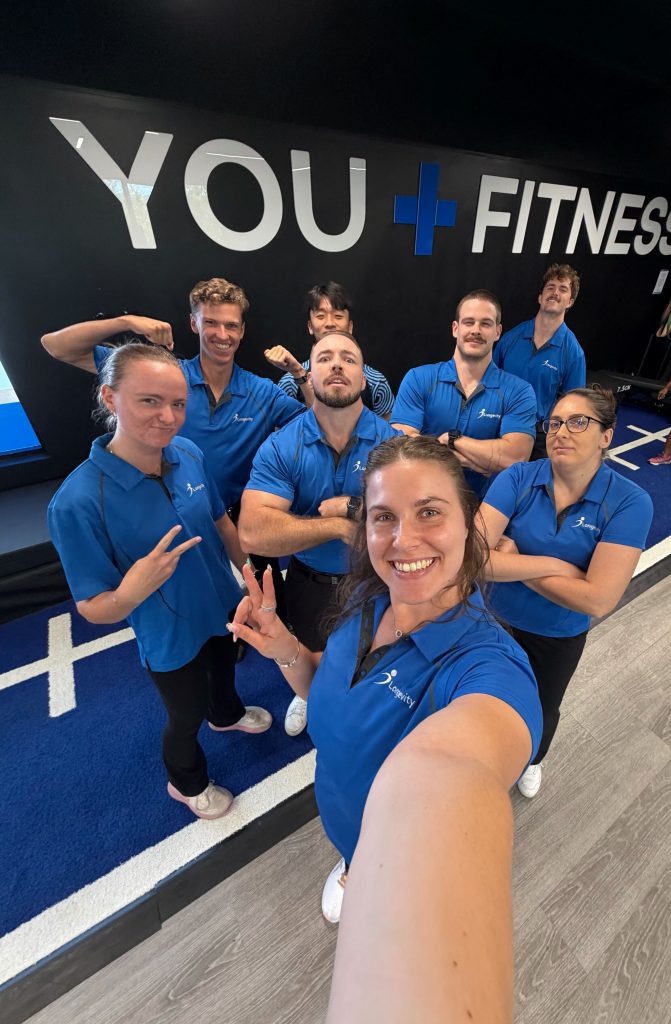
I’m now in my second week of my internship with Longevity Exercise Physiology in Broadbeach, after recently completing six weeks of university placement with the team. Every day has presented a new opportunity to learn, and I’m constantly being challenged to think differently, communicate more effectively and grow both personally and professionally. While I’ve picked up countless clinical tips already, one lesson from this week has stood out above all the rest.
Stepping into my first full-time role has been incredibly exciting, but it’s also been a much bigger adjustment than I expected. Seeing clients back-to-back, learning new systems, remembering exercise programs, seeking feedback from experienced clinicians and trying to absorb as much knowledge as possible means there’s always something competing for my attention.
It’s easy to become consumed by the next task on your to-do list or to start thinking ahead to the next client. But the person in front of you doesn’t see your workload – they only experience the interaction you’re having with them in that moment.
That’s when I realised that being present is a clinical skill in itself.
The Power of Being Present
Being present means listening with genuine curiosity instead of thinking about your next question. It means noticing the small details – a hesitation before standing up, a subtle change in breathing, the expression on someone’s face when they talk about their week. Sometimes, it’s the simplest behaviours that have the greatest impact: maintaining eye contact, facing the client, using open body language, putting distractions aside and giving someone your full attention. These small cues communicate that they are being heard, understood and valued, rather than simply moved through another exercise session.
Trust Before Treatment
At its core, being present is about building trust. When clients feel that you are genuinely listening and invested in their journey, they feel safe to share their concerns, celebrate their wins and work through the challenges. That trust becomes the foundation for meaningful conversations, stronger therapeutic relationships and better long-term outcomes.
What I’ll Take Forward
As students and early-career clinicians, it’s easy to put pressure on ourselves to have all the answers, deliver the perfect session or never miss a cue. But this week reminded me that clients aren’t looking for perfection – they’re looking for someone who listens, cares and is fully present with them.
Clinical knowledge will always be essential, but the relationships we build are what give that knowledge meaning. If there’s one lesson I’ll continue to carry with me throughout my internship and into my career, it’s that some of the most impactful moments don’t come from saying the perfect thing – they come from making someone feel seen, heard and supported.
Are you interested to learn more about our current opportunities for students?
To RSVP for our upcoming mentorship series meeting, please CLICK HERE!
Call us at Longevity Exercise Physiology Ascot Vale, Aspley, Broadbeach, Casey, Castle Hill, Coburg, Deagon, Drummoyne, Edgecliff, Five Dock, Gladesville, Gungahlin, Kingsgrove, Liverpool, Macarthur Campbelltown, Marrickville, Neutral Bay, Penrith, Pymble, Pyrmont, Randwick, Rhodes, Rosebery, Springfield, Yamanto today on 1300 964 002 to speak directly to one of our Senior Exercise Physiologists, or, for more opportunities, email students@longevitypt.com.au
Written by Georgie Watters-Whyte (Broadbeach Intern)