
How to Walk and Run for Longer: A Longevity Approach
You’ve decided to walk more and maybe even try running again. You want freedom, energy, and confidence. If you’re managing a chronic condition or recovering from injury, that step can come with real concerns such as:
- “Can I do this without hurting myself?”
- “Am I strong enough?”
- “Will this just flare everything up again?”
Well being fit and strong doesn’t just reduce injury, it makes movement easier, more efficient, and more enjoyable. Longevity Exercise Physiologists find the right approach for the right problem for the individual person.
Let’s show you how.
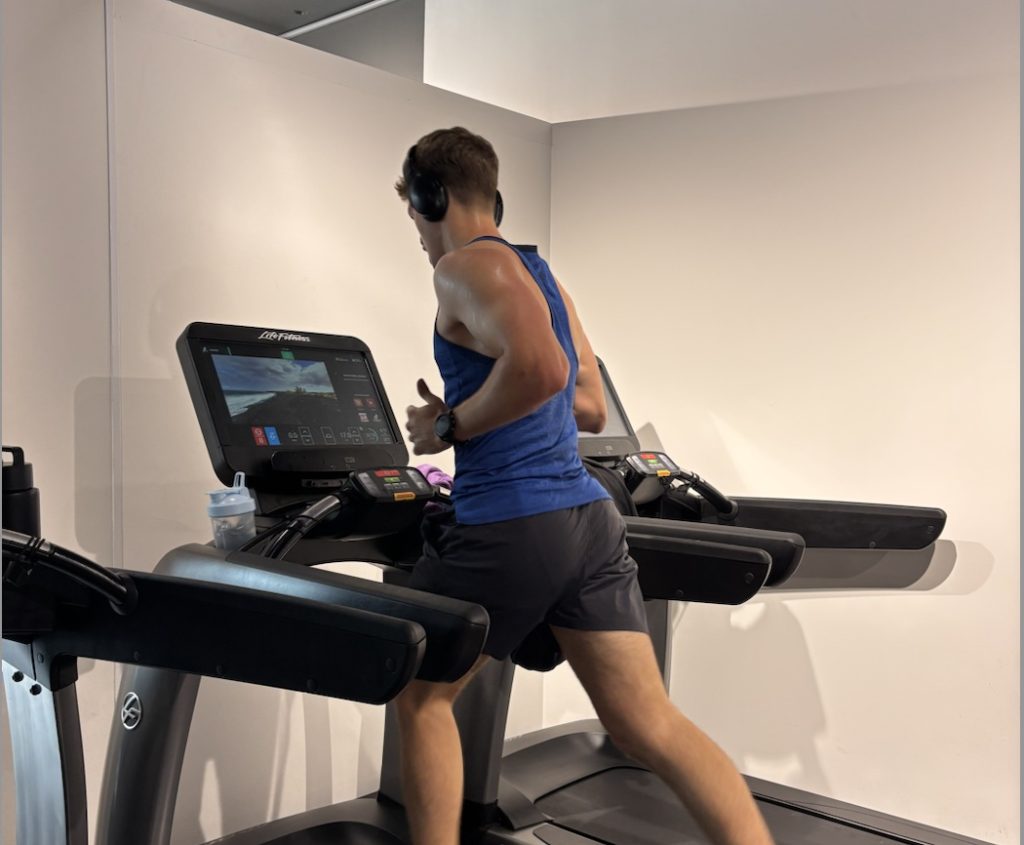
Why Strength and Fitness Matter More Than You Think for Walking and Running
Whether you’re walking around the block or jogging a few kilometres, your body relies on muscle strength and endurance.
If you’re unfit or lack the appropriate strength, every step costs more energy. Often when we have a chronic condition or injury, we require greater preparation to move as we once did.
Strong muscles, endurance and fitness are important considerations. Having the right plan and knowing what to do, when and how often can make the transition to more walking and running much less stressful.
Tips for Moving Better
1. Footwear: Performance or Comfort
Good movement starts from the ground up. Finding a shoe that is comfortable for you can go a long way. The most comfortable shoe may not always be the most athletic or cutting-edge, but if you move better in them, they are likely a good choice.
Research shows that supportive footwear may improve gait efficiency and balance in older adults (Ghigliotty, 2020). Find the right fit for you.
2. Warm-Up: Get Ready for Action
Your body needs to be switched on before exercise. Dynamic warm-ups help prepare your body and cardiovascular system for exercise. You want to get the muscles you are going to use most ready for your walk or run.
Here is an example of a simple warm-up routine:
- 3 minutes of gentle marching
- 10 leg swings per leg
- 10 bodyweight squats
- 10 calve raises.
Added bonus: dynamic warm-ups enhance movement efficiency by improving muscle coordination and joint range of motion (Behm & Chaouachi, 2011).
3. Strength Training: The Secret to Better Walking and Running
This is where the magic happens. When you’re strong, every muscle works in harmony. You stop dragging your feet and start moving with power. Strength reduces fatigue. Fatigue causes poor form. Poor form makes movement inefficient and can lead to injury.
At Longevity, strength training is always part of your plan. Whether you’re 30 or 70, being strong matters.
Our 1:1 programs include:
- Exercises built around YOUR body and movement goals
- Direct contact with your exercise physiologist: get burning questions answered quickly with a phone call.
- Safe progression: we take the guesswork out of your health goal. We modify our programs based on your feedback and pain.
A landmark review by Lauersen et al. (2014) showed that strength training cuts injury risk by up to 68% and significantly improves running economy.
4. Recovery: Efficient Bodies Know When to Rest
You get stronger between sessions, not during them. Without proper recovery, fatigue builds up.
Our Longevity Recovery Essentials:
- Healthy diet
- Great sleep
- Know when to push hard and when to take it easy
- Monitor your stress. The more stressed you are, the less energy you have to work with.
Real Results from Real Clients
“Longevity Exercise Physiology has really helped me get back to where I want to be…The main goal has been to rebuild my muscle strength and regain the independence to do things for myself again. Shannon not only guides me through exercises during our sessions, but also gives me strategies I can use to stay active every day. We focus on movements that help me feel stronger both at the clinic and at home. It’s also a great place for your mental health—I always leave feeling more confident and motivated.”
Want to Get Back to Walking and Running?
If you want to get back to walking or running, do them for longer or do them with more confidence and conviction, we will find the right exercise plan for you.
Ready to take the first step toward increasing your fitness and lifespan? Call Longevity Exercise Physiology Ascot Vale, Burwood, Casey, Castle Hill, Coburg, Drummoyne, Edgecliff, Five Dock, Gladesville, Gungahlin, Kingsgrove, Liverpool, Macarthur Campbelltown, Macarthur Tindall, Marrickville, Neutral Bay, Penrith, Pymble, Pyrmont, Randwick, Rhodes, Rosebery, Springfield, Yamanto today on 1300 964 002 to book your personalised session or a 15-minute free phone consultation.
Written by Omar Barbar
References
Behm, D. G., & Chaouachi, A. (2011). A review of the acute effects of static and dynamic stretching on performance. European Journal of Applied Physiology, 111 (11), 2633–2651. [https://doi.org/10.1007/s00421-011-1879-2.
Ghigliotty, E. (2020). Reducing risk of falls in older adults: Shoe-wear recommendations, modifications, and special considerations. University of North Carolina – Chapel Hill. Retrieved from https://dptcapstone.web.unc.edu.
Knapik, J. J., Trone, M. R., & Bauman, C. L. (2012). The effectiveness of strength training in reducing running injuries: A systematic review. Journal of Strength and Conditioning Research, 26(4), 1062–1070. https://doi.org/10.1519/JSC.0b013e31822e3b3d.
Kjaer, M. (2014). Role of recovery in the prevention of overuse injuries. British Journal of Sports Medicine, 48 (4), 284–285. https://doi.org/10.1136/bjsports-2014-093700.
Lauersen, J. B., Bertelsen, D. M., & Andersen, L. B. (2014). The effectiveness of exercise interventions to prevent sports injuries: A systematic review and meta-analysis of randomised controlled trials. British Journal of Sports Medicine, 48(11), 871–877. https://doi.org/10.1136/bjsports-2013-092538.
Zinner, C., Born, D. P., Sperlich, B., & Holmberg, H. C. (2017). The impact of recovery strategies on performance, immune system, and hormonal responses. Frontiers in Physiology, 8, 247. https://doi.org/10.3389/fphys.2017.00247.