
The Recovery Puzzle: Why Rest Is Just as Important as Reps
At Longevity, we often talk about the importance of consistency, effort, and progressive overload in your training. But there’s one key piece of the health and fitness puzzle that often gets overlooked: recovery.
Recovery isn’t just about taking a day off – it’s about what your body does in between your training sessions to repair, rebuild, and adapt. It’s when the real progress happens. Without adequate recovery, all the reps in the world won’t deliver the results you’re looking for.
Let’s break down the essential components of recovery and how each one influences your performance and overall well-being.
1. Sleep: Where Progress Begins
Sleep is one of the most powerful recovery tools we have. During deep sleep, your body releases growth hormone, repairs muscle tissue, and consolidates new motor patterns you’ve learned during exercise.
- Aim for 7–9 hours of quality sleep each night
- Try to maintain a consistent sleep-wake cycle
- Avoid screens before bed to help with melatonin production
If you’re increasing your training load or feeling more fatigued, prioritising sleep is essential for continued progress.
2. Active Rest: Gentle Movement with Purpose
Rest doesn’t always mean being completely still. In fact, light movement can aid recovery by improving circulation, reducing muscle soreness, and keeping joints mobile.
- Incorporate gentle walks, stretching, or mobility sessions
- Consider yoga or low-intensity swimming
- Book an active recovery session with your Exercise Physiologist if you’re unsure what’s appropriate
Staying lightly active on your recovery days can help you feel better and reduce injury risk over time.
3. Hydration: More Than Just Drinking Water
Your muscles, joints, and tissues all depend on proper hydration to function optimally. Even mild dehydration can impair performance and delay recovery.
- Aim for 2–3 litres of water per day, more if you’re training or sweating
- Consider adding electrolytes if your sessions are intense
- Watch for signs like dark urine, fatigue, or headaches
Keeping your fluid levels topped up is one of the simplest ways to support your recovery process.
4. Nutrition: Fuel for Repair and Growth
What you eat post-training significantly influences how your body recovers. After exercise, your body needs the right balance of nutrients to repair damaged tissue and replenish energy stores.
- Prioritise high-quality protein to support muscle repair
- Include complex carbohydrates to restore glycogen levels
- Don’t overlook healthy fats, which aid inflammation control and hormone balance
Your Exercise Physiologist can help guide you in the right directions or refer you on for further assistance if appropriate.
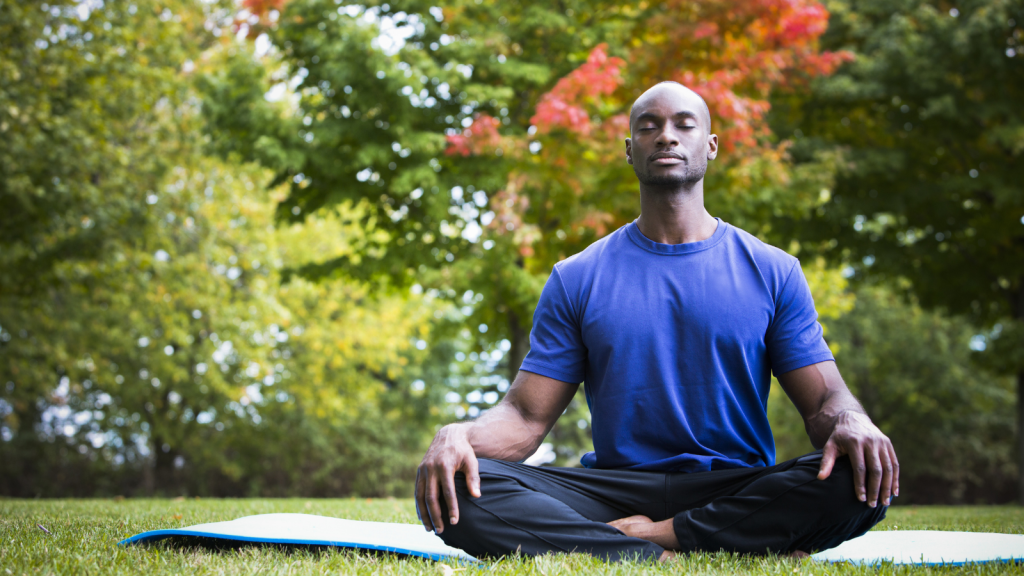
5. Mental Recovery: Resetting Your Mind
Physical recovery is just one piece – mental recovery is just as crucial. Stress, fatigue, and burnout can affect motivation, energy, and your ability to train effectively.
- Take time to slow down and rest your mind
- Practice mindfulness, journaling, or simply unplugging from tech
- Reflect on your progress and celebrate the small wins
Mental and emotional recovery allows you to show up refreshed, focused, and ready to continue working toward your goals.
The Bottom Line: Balance Is Key
Training hard is important – but so is recovering well. Your body needs time, fuel, rest, and support to adapt to the work you’re putting in. Skipping recovery can lead to fatigue, plateaus, or injury.
At Longevity, we believe in a holistic approach. That means working with your Exercise Physiologist to make sure your recovery is aligned with your goals – whether that’s improving performance, managing a health condition, or simply living pain-free.
If you’re unsure whether you’re recovering properly, chat with your Exercise Physiologist. We’re here to help you train smarter, not just harder.
Need support with recovery strategies?
Ask us about:
- Recovery-focused sessions
- Tailored mobility and stretching programs
- Sleep, hydration, and nutrition coaching
Let’s make sure every session counts—both in and out of the gym.
Ready to take the first step toward increasing your fitness and lifespan? Call Longevity Exercise Physiology Ascot Vale, Burwood, Casey, Castle Hill, Coburg, Drummoyne, Edgecliff, Five Dock, Gladesville, Gungahlin, Kingsgrove, Liverpool, Macarthur Campbelltown, Macarthur Tindall, Marrickville, Neutral Bay, Penrith, Pymble, Pyrmont, Randwick, Rhodes, Rosebery, Springfield, Yamanto today on 1300 964 002 to book your personalised session or a 15-minute free phone consultation.
Written by Rhiannon Freemantle

References
Image – https://yogauonline.com/yoga-health-benefits/yoga-wellness-tips/slow-burn-a-somatic-approach-to-exercise/