How to manage stress fracture through Exercise Physiology in Longevity Rosebery?
Are you experiencing discomfort through your body that just won’t go away? Whether you are training for your next half-marathon, hitting your strength training after work or just starting out with exercise, the body will experience muscular discomfort. But when discomfort started to linger, it could be more than just muscle soreness — it could be a stress fracture.
Let’s break down what stress fractures are, why they occur, and how exercise physiology can play a critical role in recovery and prevention. At Longevity Exercise Physiology Rosebery, we specialise in developing personalised exercise plans to tackle stress fractures and injuries.
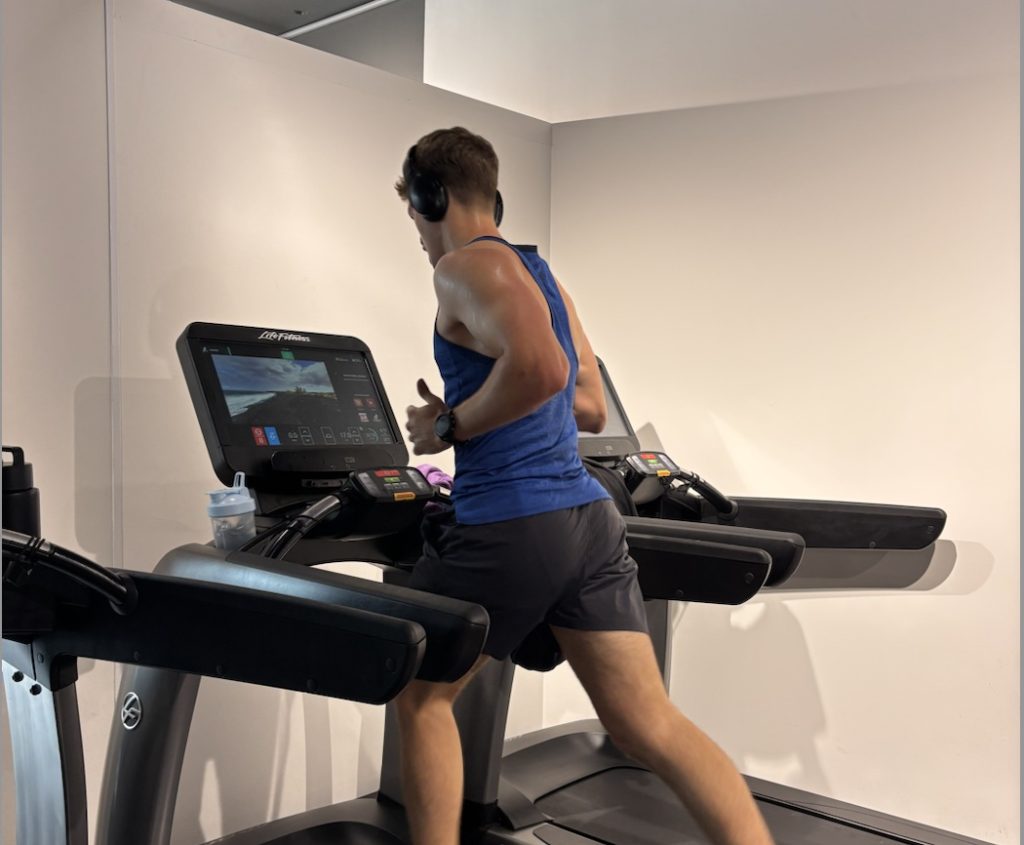
What is a Stress Fracture?
A stress fracture is a small crack in a bone caused by repetitive force. This is often from overuse, such as repeatedly jumping or running long distances. They’re most common in weight-bearing bones of the lower leg and foot, especially among runners, dancers, and active individuals.
Common causes include:
- Sudden increase in training intensity or volume
- Poor footwear or training surfaces
- Inadequate recovery between sessions
- Nutritional deficiencies
- Biomechanical imbalances (such as flat feet or improper running form)
How Exercise can help manage and treat stress fractures ?
Exercise plays a vital role in the treatment and management of stress fractures by promoting safe healing while preventing deconditioning.
Under the guidance of a Longevity Exercise Physiologist, targeted exercise can help:
- Planning rehabilitation of the Stress Fracture: safe progression of exercise to prevent future injury
- Improving strength to your muscles: Building more support for the bone and reducing the risk of future stress fractures. This is also how bone remodelling is supported.
- Biomechanics Improvement: Identifying faults to movement patterns (eg in running)
- Long Term Injury Prevention: education surrounding how to structure training to reduce an overdue injury re-occurring.
How can we help ?
At Longevity Exercise Physiology, we offer a range of services to help manage your pain:
- Personalised Exercise Plans: Tailored to address your specific needs and pain points.
- In-Gym Sessions: One-on-one guidance and supervision to ensure proper technique and effectiveness.
- Outdoor Workouts: Enjoy exercise in a refreshing environment while targeting back pain relief.
- Home Visits: Convenient sessions at your home for a personalised approach.
- Telehealth Consultations: Access expert advice and exercise routines from the comfort of your home.
Our customised approach ensures that you receive the most effective and convenient care for your pain, leading to significant improvements in your daily life.
Additional tips for managing stress fractures
- Prioritise Rest (in the Early Stages): Give your body time to heal by modifying high-impact activities
- Follow a gradual return to activity: Progress slowly and strategically back to training and seek guidance on how to manage appropriately
- Keep active: Support your body through your recovery stage and return to activity stage
Ready to take the steps to prevent or manage stress fractures? Contact Longevity Exercise Physiology today to start your journey towards a healthier, pain-free back! Call us at Longevity Exercise Physiology Ascot Vale, Aspley, Broadbeach, Burwood, Casey, Castle Hill, Coburg, Deagon, Drummoyne, Edgecliff, Five Dock, Gladesville, Gungahlin, Kingsgrove, Liverpool, Macarthur Campbelltown, Macarthur Tindall, Marrickville, Neutral Bay, Penrith, Pymble, Pyrmont, Randwick, Rhodes, Rosebery, Springfield, Yamanto today on 1300 964 002.
Written by Maia Berry