
Struggling to Get to the Gym and Exercise? Here are 5 Research-Based Tips to Help you Continue Exercising Each Week
Today, Longevity Exercise Physiology and Personal Training Drummoyne, Edgecliff, Marrickville, Castle Hill, Randwick, Pymble, Balmain, Kingsgrove, Neutral Bay, Coburg – Melbourne, and Barrie, Ontario – Canada would like to discuss the top 5 tips to help you stay consistent with your exercise.
Exercise is one of the most effective conservative treatments to improve physical and mental health. Currently, the Australian government recommends that everyone engage in at least 150 minutes of moderate aerobic activity and 2 resistance training sessions per week. Most people understand that physical activity has a multitude of benefits for their health, however, a large percentage of the human population still does not engage in regular exercise each week to meet these activity guidelines. The question, therefore, turns to why don’t more people engage in regular exercise? And what causes people to drop off from their regular exercise routine?

This is a question that has perplexed Exercise Physiologists and Sports Psychologists for years, and understanding what impacts exercise adherence is the key to helping people engage in regular physical activity.
Why don’t more people engage in regular exercise?
A few research studies have tried to understand the 10 biggest factors which limit people’s engagement in regular exercise. From these studies, the top 5 reasons people listed were:
- Lack of time
- Lack of energy
- Lack of motivation
- Don’t have the willpower
- Don’t like exercise
This shows that although people understand that exercise is good for their health, factors such as lack of time, energy, motivation and enjoyment mean that people are not making exercise a priority in their life.
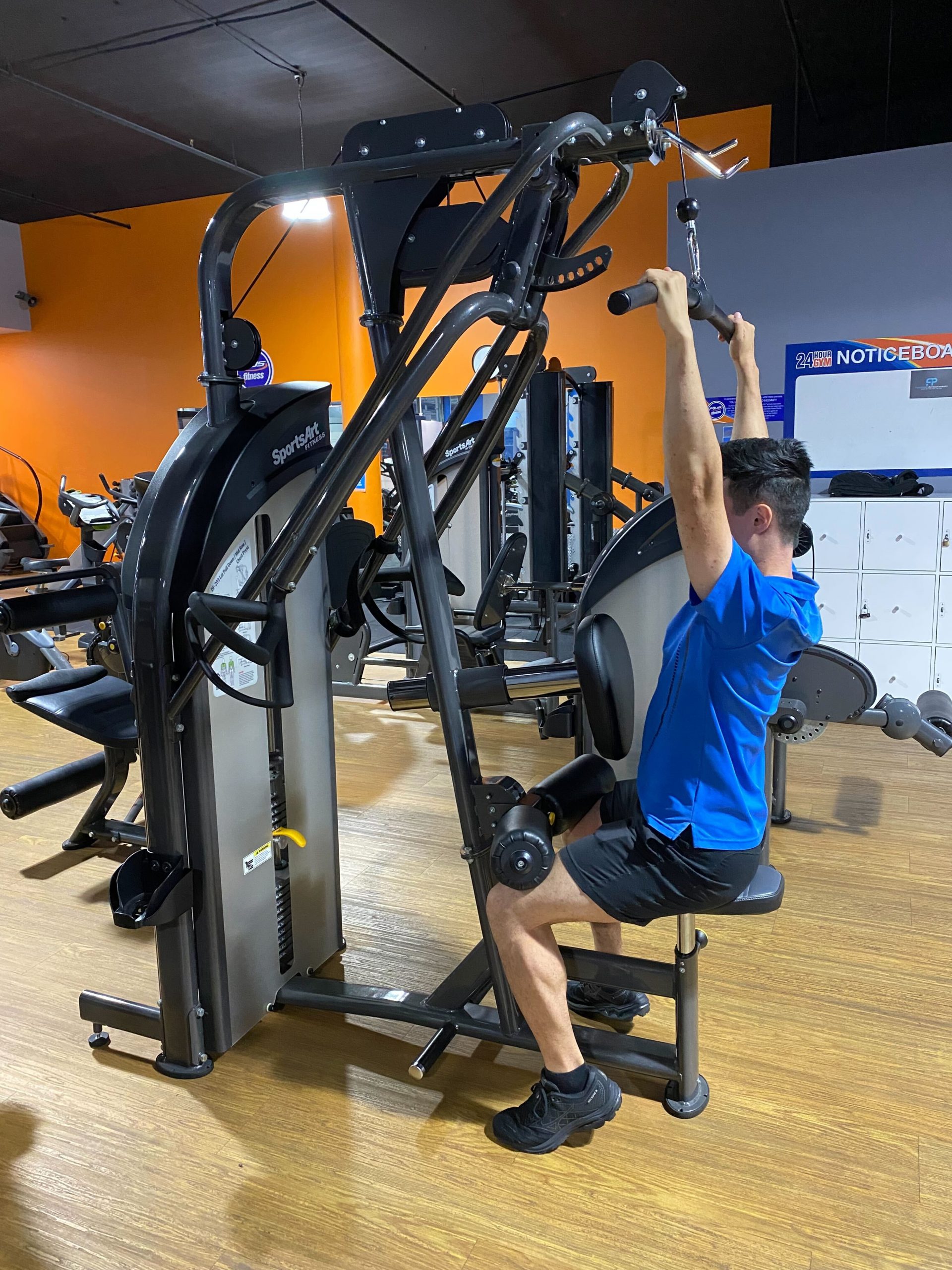
So, what can we do about this? How can we make exercise a priority in people’s lives and make engaging in exercise easier? Luckily, a large amount of research has been conducted which I have condensed into 5 helpful tips:
-
Goal Setting: set a long-term goal for yourself
This is one of the most important factors in helping people engage in regular exercise. A long-term goal gives people the “why” to engage in regular exercise. These goals should be personal and extend beyond exercise .e.g. I want to be able to pick up and carry my grandchild.
-
Believe in yourself, you are more capable than you think!
One of the biggest reasons people lack adherence to exercise is they think they don’t have the energy, ability and willpower to engage in regular exercise. A popular word thrown around on this topic is self efficacy (an individual’s belief in their capacity to act in the ways necessary to reach specific goals). For example, someone with low self-efficacy believes they cannot complete the exercise. A big tip for managing this is to stay consistent and set realistic expectations. Rome wasn’t built in a day and the same applies to exercise.
-
Make exercise fun/find what you enjoy
One of the biggest factors that affect long-term exercise adherence is trying to exercise in ways that an individual does not find enjoyable. This has been highlighted in a number of research studies that showed in the long term, someone that does not like the form of exercise they have to do is more likely to stop engaging in that exercise.
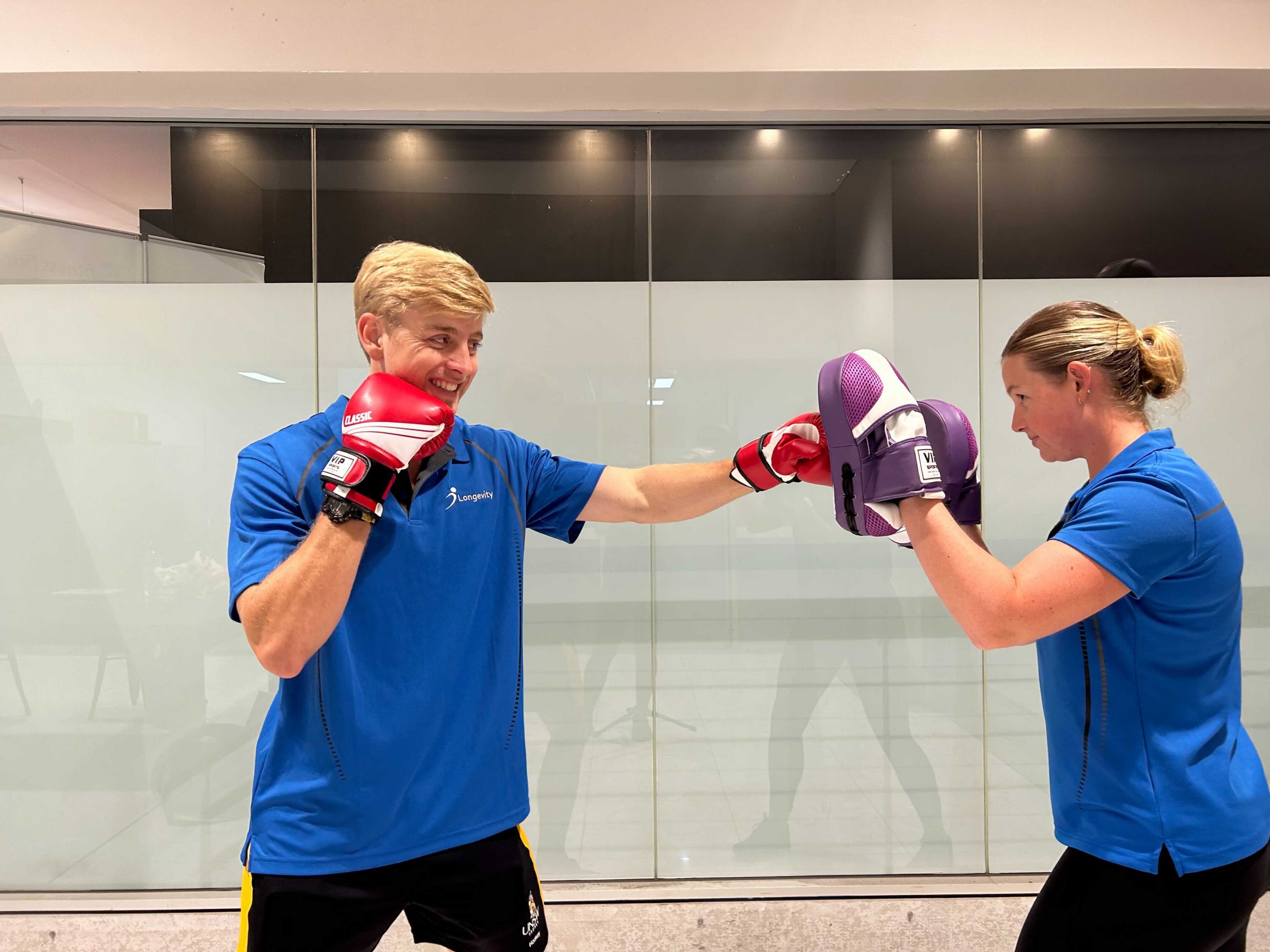
There is no “optimal” way to exercise, so find an exercise you like, and don’t be afraid to mix it up and change your style of training. The Australian health guidelines recommend 150 mins of moderate activity and 2 resistance sessions per week. Although the guidelines are the same for everyone, the way someone reaches these guidelines can be vastly different. An Exercise Physiologist can assist you in finding forms of exercise you enjoy to reach these guidelines.
-
Verbal and intrinsic motivation
Verbal and intrinsic motivation can be an important aspect for people to celebrate and seek rewards for their exercise achievements. Whether it’s your Exercise Physiologist, friend or family, by sharing any exercise accomplishments with these people can increase motivation levels. Don’t be afraid to acknowledge and share exercise accomplishments! This can be an integral part of maintaining motivation and exercise adherence.
-
Set short term goals and reward yourself
An important step towards reaching a long term goal is to break up the goal into shorter-term goals .e.g. I want to run 5kms in 1 year, so I will aim for a 2km run in 2 months. By breaking up long-term goals into smaller, more achievable short-term goals, we can track how we are progressing towards our goals and celebrate when we do reach these goals. This celebration could be a holiday, having a nice dinner or treating yourself to something nice.
In summary, exercise is one of the most effective conservative treatment methods for improving physical and mental health, however, a vast majority of the population does not meet the Australian recommended activity guidelines. The most popular reasons people don’t engage in exercise are lack of time, motivation, self-belief and enjoyment in exercise. Understanding the “what, how and why” you complete exercise can be the key to engaging in regular activity to meet the Australian Physical Activity guidelines and improve your health.

Give Longevity Exercise Physiology a call today on 1300 964 002 to find out how we can help you engage in regular exercise you enjoy!
References
- Resnick B. Prescribing an exercise program and motivating older adults to comply. Educational Gerontology. 2001 Apr 1;27(3-4):209-26.
- Jekauc D. Enjoyment during exercise mediates the effects of an intervention on exercise adherence. Psychology. 2015 Jan 13;6(01):48.
- Hagberg LA, Lindahl B, Nyberg L, Hellénius ML. Importance of enjoyment when promoting physical exercise. Scandinavian journal of medicine & science in sports. 2009 Oct;19(5):740-7.
- Huberty JL, Ransdell LB, Sidman C, Flohr JA, Shultz B, Grosshans O, Durrant L. Explaining long-term exercise adherence in women who complete a structured exercise program. Research Quarterly for exercise and Sport. 2008 Sep 1;79(3):374-84.
- McAuley E, Courneya KS, Rudolph DL, Lox CL. Enhancing exercise adherence in middle-aged males and females. Preventive medicine. 1994 Jul 1;23(4):498-506.