Beyond the Degree: Soft Skills That Set You Apart
As exercise physiologists, our role goes far beyond technical knowledge and certifications. While a strong foundation in exercise science, physiology, and rehabilitation is essential, it’s the soft skills that can truly set you apart in the workplace and in your career. These are the skills that help us build meaningful connections with clients, work effectively with colleagues, and navigate the complex and often unpredictable nature of healthcare environments.
With Longevity’s upcoming Career Acceleration Night on Thursday, 22nd May, from 7:00 pm to 8:30 pm, we are excited to share insights into how soft skills can play a pivotal role in shaping your success as an exercise physiologist. Whether you’re transitioning from student life into your first professional role or looking to level up in your current career, understanding and developing these skills can make all the difference.
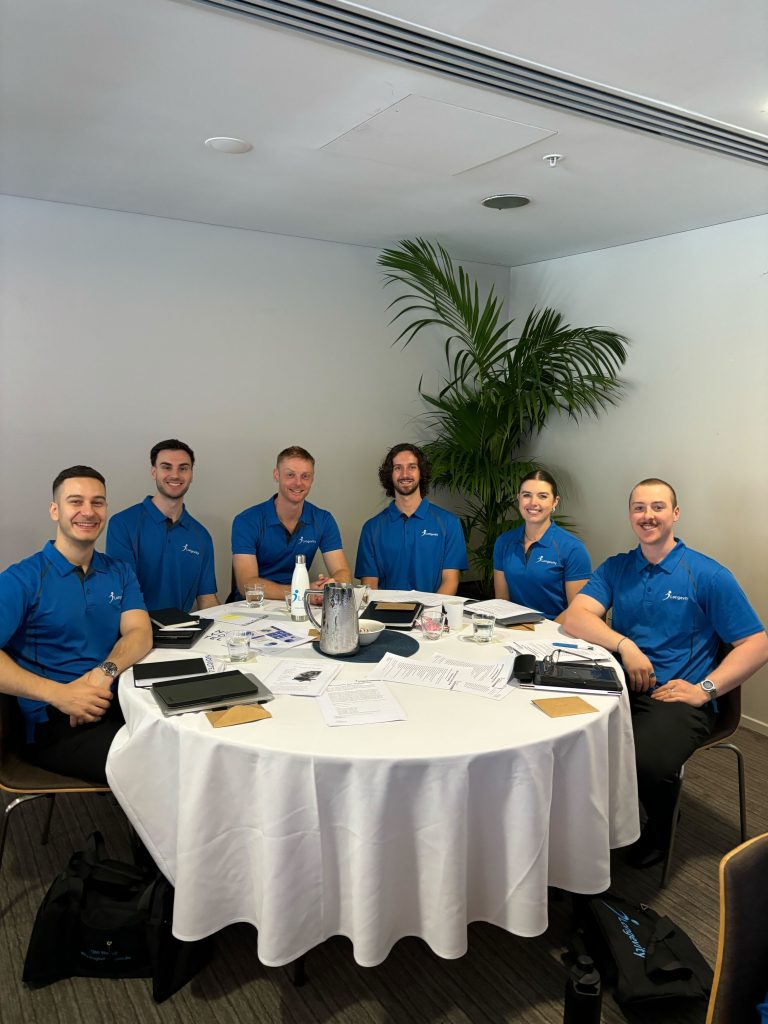
Here are the top soft skills every exercise physiologist should cultivate:
1. Empathy and Emotional Intelligence
Empathy is crucial in building trust with clients. As exercise physiologists, we often work with individuals who are dealing with chronic conditions, injuries, or significant life challenges. Demonstrating a genuine understanding of their struggles can foster a sense of safety and encouragement, making clients feel heard and supported. Emotional intelligence, which includes the ability to recognize and manage both your own emotions and those of others, helps in tailoring communication and treatment plans that resonate with the individual.
2. Effective Communication
The ability to clearly explain exercise techniques, treatment plans, and health information is a vital skill. However, communication is not just about talking; it’s about listening. Active listening ensures that we understand the concerns of our clients and can adjust our approach accordingly. Whether it’s simplifying complex concepts or providing motivation during a workout, being an effective communicator is a skill that enhances every aspect of our practice.
Book recommendation to assist in developing this skill further is Supercommunicators by Charles Duhigg.
3. Problem-Solving and Critical Thinking
Exercise physiologists often work with individuals who have unique needs, and no two cases are ever the same. This means problem-solving is an ongoing and dynamic part of the job. The ability to analyze situations, think critically, and come up with tailored strategies for different health conditions or goals is what allows us to deliver exceptional care. Whether it’s finding new ways to motivate a client or adapting an exercise program to their changing needs, strong problem-solving skills will keep you adaptable and client-centered.
4. Teamwork and Collaboration
While much of an exercise physiologist’s work may be one-on-one with clients, collaboration with other health professionals, such as physiotherapists, nutritionists, and doctors, is key to delivering holistic care. Being a good team player means communicating well, respecting others’ expertise, and being open to feedback. The ability to work together with colleagues and clients ensures the best possible outcomes for everyone.
5. Time Management and Organisation
Managing a caseload of clients, maintaining detailed progress notes, and staying on top of your continuing education requires strong organisational skills. Effective time management helps you prioritise tasks, manage appointments, and ensure you’re always giving your clients the time and attention they deserve. This soft skill will keep you balanced and prevent burnout, helping you thrive in a fast-paced environment.
Book recommendation to assist in developing this skill further is Essentialism by Greg McKeown.
6. Adaptability and Resilience
The healthcare field is constantly evolving, and as exercise physiologists, we must stay flexible to meet new challenges. Whether it’s adapting to new technologies, adjusting treatment plans in response to client progress, or managing unexpected changes in your schedule, adaptability ensures that you can meet these challenges head-on. Resilience is also important in handling setbacks or difficult situations—whether they are client-related or personal—without losing your motivation or passion for your work.
7. Leadership and Mentoring
Even if you’re not in a formal leadership role, taking initiative and demonstrating leadership qualities can have a significant impact on your career. This might involve mentoring new graduates, leading by example in the clinic, or contributing ideas to improve team processes. Leadership is about inspiring confidence, modelling professional behaviour, and motivating others to do their best work. These qualities often lead to greater responsibility and career growth.
Mentorship, in particular, plays a crucial role in the development of both the mentor and the mentee. For early-career professionals, having a mentor can provide clarity, confidence, and guidance through the many transitions and challenges of clinical practice. For more experienced team members, stepping into a mentoring role can be deeply rewarding and reinforces leadership skills, emotional intelligence, and empathy. A strong mentoring culture supports the entire team, improves client outcomes, and ensures continuous professional development across all levels.
At Longevity, we see mentorship as a two-way street—an ongoing exchange of knowledge, support, and inspiration that builds stronger, more connected professionals and teams.
Join Us for Career Acceleration Night!
At Longevity, we understand that technical skills are just one piece of the puzzle. That’s why we’re hosting our Online Longevity Career Acceleration Night on Thursday, 22nd May, from 7:00 pm to 8:30 pm. This event is designed to provide clarity on how to successfully navigate the jump from student life to a thriving career in exercise physiology. Here from those who have walked in your shoes and done it before!
Whether you’re about to start your career or you’re looking to grow and evolve in your current role, join us for an engaging session! To RSVP, simply email students@longevitypt.com.au.
We look forward to seeing you there and helping you unlock your full potential!
Written by Rhiannon Freemantle