
Menopause and Exercise: How Longevity Exercise Physiology Can Support Your Health Through Every Stage
Experiencing hot flushes, fatigue, mood changes, or joint pain? Noticing changes in your body that weren’t there before?
Menopause is a natural transition that every woman goes through, yet it remains one of the most under supported areas of women’s health. With over 3.2 million Australian women aged 40 to 59 currently navigating perimenopause or menopause, the demand for effective, evidence based support has never been greater.
At Longevity Exercise Physiology, we specialise in personalised exercise programs designed to help you manage menopausal symptoms, protect your bone and heart health, and support your long term wellbeing and longevity.
Understanding Menopause and Perimenopause
Menopause marks the permanent end of menstruation and ovarian reproductive function, typically occurring between the ages of 45 and 55, with the average age in Australia being 51. The years leading up to menopause, known as perimenopause, can begin several years earlier and bring their own set of symptoms as hormone levels begin to fluctuate. Regardless of symptoms, menopause causes important biological changes that can increase your risk of cardiovascular disease, osteoporosis, type 2 diabetes, and weight gain.
Common Symptoms of Menopause
- Hot flushes and night sweats
- Sleep disturbances and fatigue
- Mood changes, anxiety, and low mood
- Weight gain, particularly around the abdomen
- Joint pain and muscle stiffness
- Reduced bone density and increased fracture risk
- Brain fog and difficulty concentrating
- Reduced muscle mass and strength
Menopause in Australia: Why It Matters
A 2024 Senate inquiry into menopause and perimenopause found that most Australian women are not receiving adequate care. Research published in the Medical Journal of Australia reports that over 85% of women with bothersome menopausal symptoms are not accessing effective, approved treatment. The Australian Government has since committed $26 million in new MBS health assessment items and $12.8 million for a national awareness campaign, both commencing in 2025. One in four Australian women in midlife report that menopause symptoms make it difficult to carry out daily activities.
If you’re experiencing symptoms that are affecting your quality of life, keep reading to discover how exercise can help you feel stronger, more confident, and in control of your health!
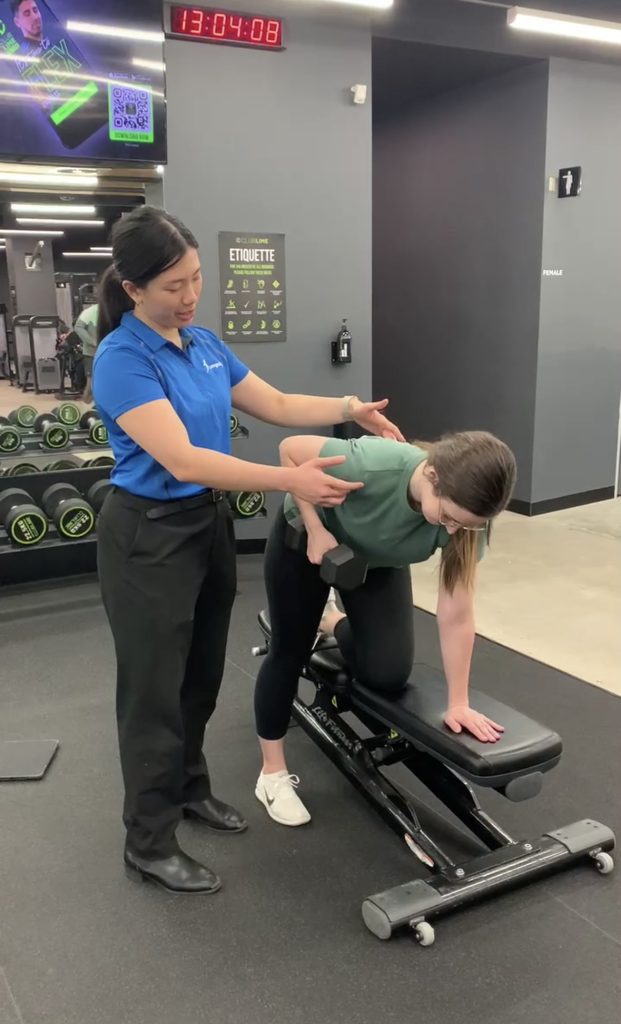
Benefits of Exercise for Menopause
Exercise is one of the most effective and accessible strategies for managing the physical and psychological effects of menopause. A systematic review and meta analysis of randomised controlled trials found that exercise significantly improves body composition, cardiovascular risk factors, and bone mineral density in menopausal women. Strength training in particular has been shown to improve muscle mass, bone density, metabolic function, and even reduce the frequency of hot flushes.
Here’s how exercise helps during and after menopause:
- Protects bone density by stimulating bone formation through weight bearing and resistance exercise
- Reduces cardiovascular risk by improving blood pressure, cholesterol, and vascular function
- Supports healthy weight management and reduces abdominal fat accumulation
- Improves mood, reduces anxiety, and supports better sleep quality
- Builds and maintains muscle mass, counteracting the natural decline that occurs with menopause
- Enhances balance and coordination, reducing your risk of falls and fractures
- Supports long term metabolic health and reduces the risk of type 2 diabetes
How Longevity Exercise Physiology Can Help
At Longevity Exercise Physiology, our Accredited Exercise Physiologists understand the unique health challenges that come with menopause and perimenopause. We design safe, progressive exercise programs tailored to your symptoms, fitness level, and long term health goals.
Our menopause exercise programs may include:
- Resistance and strength training to protect bone density and build lean muscle
- Weight bearing exercise to support skeletal health and reduce osteoporosis risk
- Cardiovascular conditioning to improve heart health and energy levels
- Balance and stability training to reduce fall risk
- Flexibility and mobility work to ease joint stiffness and improve range of motion
- Education on exercise intensity, recovery, and adapting training to how you feel
Flexible session options:
- Gym based 1:1 supervised sessions
- Outdoor exercise sessions
- Home visits
- Telehealth consultations
What sets Longevity apart is our individualised, 1:1 supervised approach. Our exercise physiologists work alongside your GP or specialist to ensure a coordinated, clinically safe program. We don’t just help you manage symptoms. We help you build lasting strength, resilience, and confidence through every stage of menopause.
Longevity Exercise Physiology has helped hundreds of women across Australia improve their strength, protect their bone health, and feel more like themselves again.
Additional Tips for Managing Your Health Through Menopause
- Aim for at least 150 minutes of moderate intensity exercise per week, including 2 to 3 resistance training sessions
- Prioritise calcium and vitamin D intake to support bone health
- Eat a balanced diet rich in lean protein, healthy fats, and plenty of vegetables
- Manage stress through regular physical activity, relaxation techniques, and adequate sleep
- Speak with your GP about bone density screening (DEXA scan) and cardiovascular risk assessment
- Consider the new MBS menopause health assessment that was available from July 2025 through your GP
- Stay socially connected and seek support from health professionals who understand menopause
Getting Started with Longevity Exercise Physiology
Menopause isn’t something you just have to push through on your own. It’s a stage of life that deserves thoughtful, personalised support.
If you’re looking for guidance that’s practical, evidence based, and built around your life, we’re here to help.
Claim your FREE 15 minute phone consultation.
Call us at Longevity Exercise Physiology Ascot Vale, Aspley, Broadbeach, Casey, Castle Hill, Coburg, Deagon, Drummoyne, Edgecliff, Five Dock, Gladesville, Gungahlin, Kingsgrove, Liverpool, Macarthur Campbelltown, Marrickville, Neutral Bay, Penrith, Pymble, Pyrmont, Randwick, Rhodes, Rosebery, Springfield, Yamanto today on 1300 964 002 to book your personalised session or a 15-minute free phone consultation.
Written by Aiden Frai (Intern)
References
- Liao CD, Tsauo JY, Wu YT, et al. (2018). Exercises improve body composition, cardiovascular risk factors and bone mineral density for menopausal women: A systematic review and meta analysis of randomized controlled trials. Applied Nursing Research, 40, 90–98. https://pubmed.ncbi.nlm.nih.gov/29579505/
- Moreira LDF, et al. (2023). The Efficacy of Strength Exercises for Reducing the Symptoms of Menopause: A Systematic Review. Journal of Clinical Medicine, 12(2), 548. https://pmc.ncbi.nlm.nih.gov/articles/PMC9864448/
- Davis SR, et al. (2023). Advancing menopause care in Australia: barriers and opportunities. Medical Journal of Australia, 218(11), 502–507. https://www.mja.com.au/journal/2023/218/11/advancing-menopause-care-australia
- Jean Hailes for Women’s Health (2025). The impact of symptoms attributed to menopause by Australian women. National Women’s Health Survey. https://www.jeanhailes.org.au/resources/the-impact-of-symptoms-attributed-to-menopause-by-australian-women
- Australian Government Department of Health (2025). Government Response to the Senate Inquiry into Issues Related to Menopause and Perimenopause. https://www.health.gov.au/sites/default/files/2025-02/government-response-to-inquiry-issues-related-to-menopause-and-perimenopause.pdf
- MBS Online (2025). Menopause and Perimenopause Health Assessment Services. Australian Government. https://www.mbsonline.gov.au/internet/mbsonline/publishing.nsf/Content/Factsheet-Menopause